Circadian control of infection
How do daily rhythms control susceptibility, progression of disease, and the immune pathways that determine outcome?
 Kimmey Lab
METX, UC Santa Cruz
Circadian rhythms, innate immunity, and bacterial pathogenesis.
Study how innate immunity controls susceptibility to bacterial infection.
Whowe areA hands-on, question-driven group at UC Santa Cruz.
Whatis newRecent work on microbial signals, PER2, and clock biology.
Wherewe areBiomedical Sciences, Department of METX.
Research
Our research focuses on interactions between bacteria and the circadian clock. We are particularly interested in understanding how differences in host immune responses impact susceptibility to infection.
Streptococcus pneumoniae asymptomatically colonizes a significant portion of the human population, but can cause severe invasive disease including pneumonia, sepsis, meningitis, and death. We ask how variations in innate immunity contribute to these different states, and what bacterial factors upset this balance.
Watch below: laughter and mistakes included.
Video produced by Stephanie "Annie" Melchor, PhD
Current areas of focus
How do daily rhythms control susceptibility, progression of disease, and the immune pathways that determine outcome?
How do diverse microbes alter cellular clocks, and can microbial exposure act as a timing signal across biological systems?
We use live reporters and optically transparent models to follow clock gene expression across development and infection.
People
Listed in order of joining the lab.
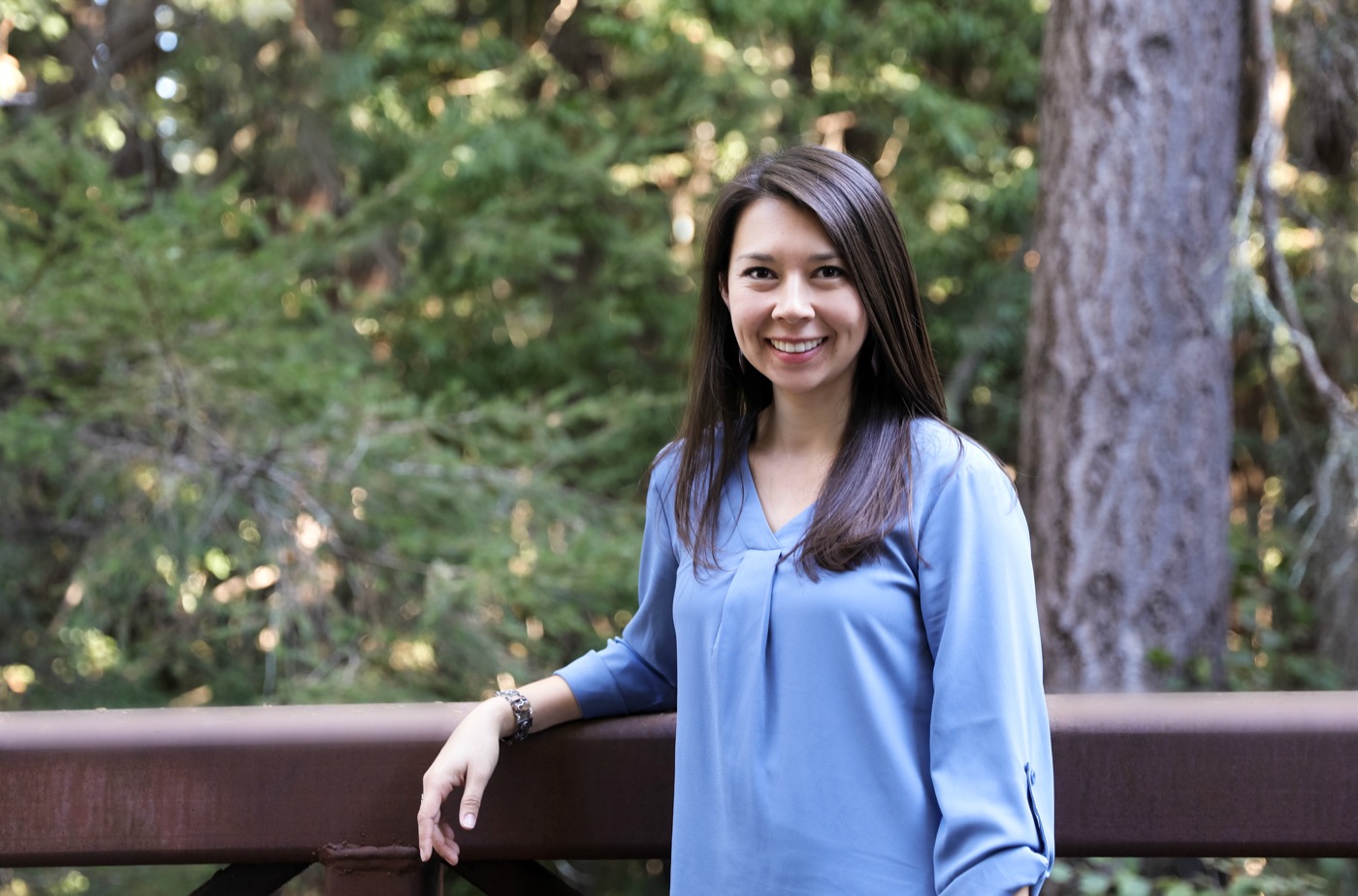
Assistant Professor
(06/2019 - present)
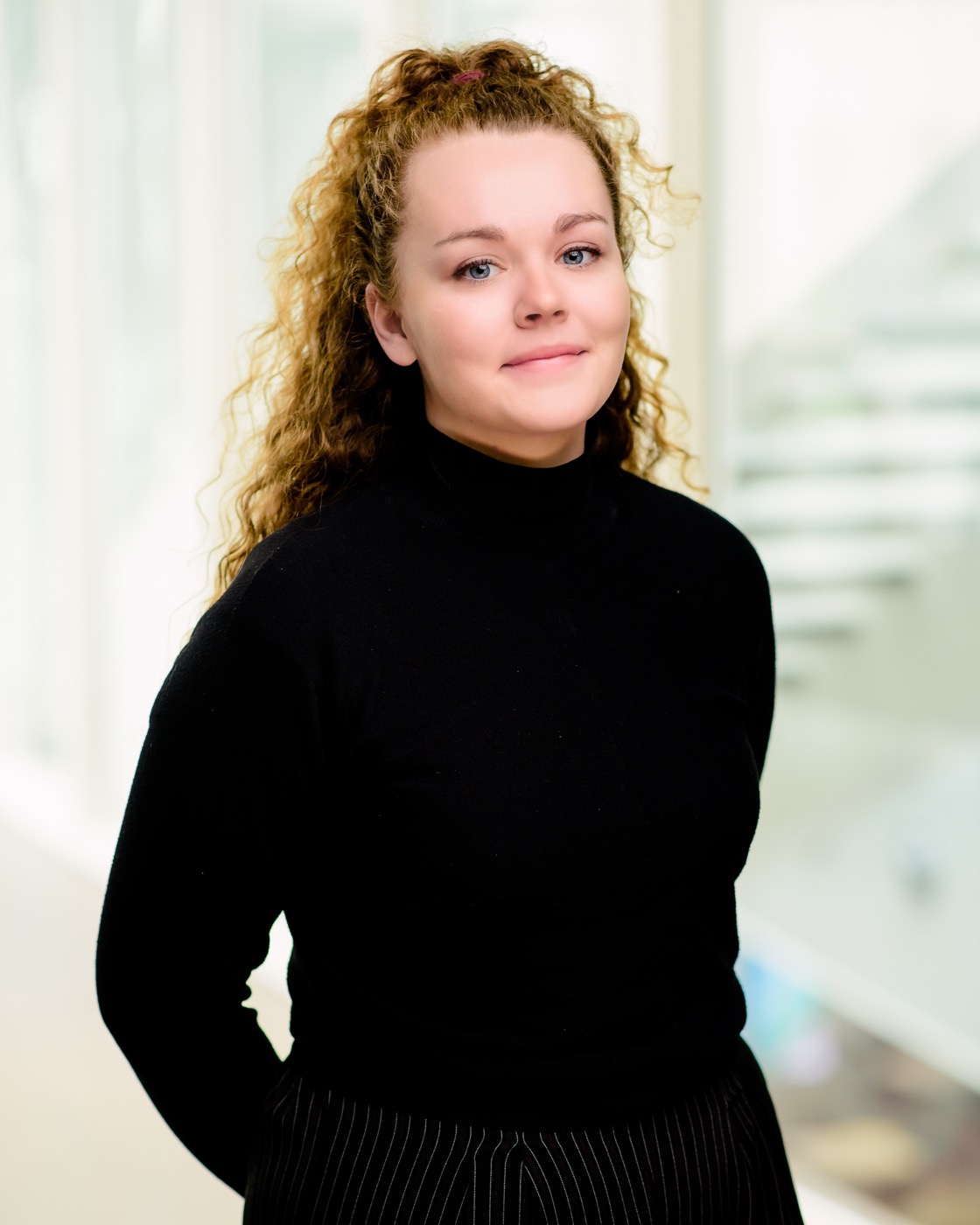
Ph.D. Candidate (Qualified!)
(03/2021 - present)
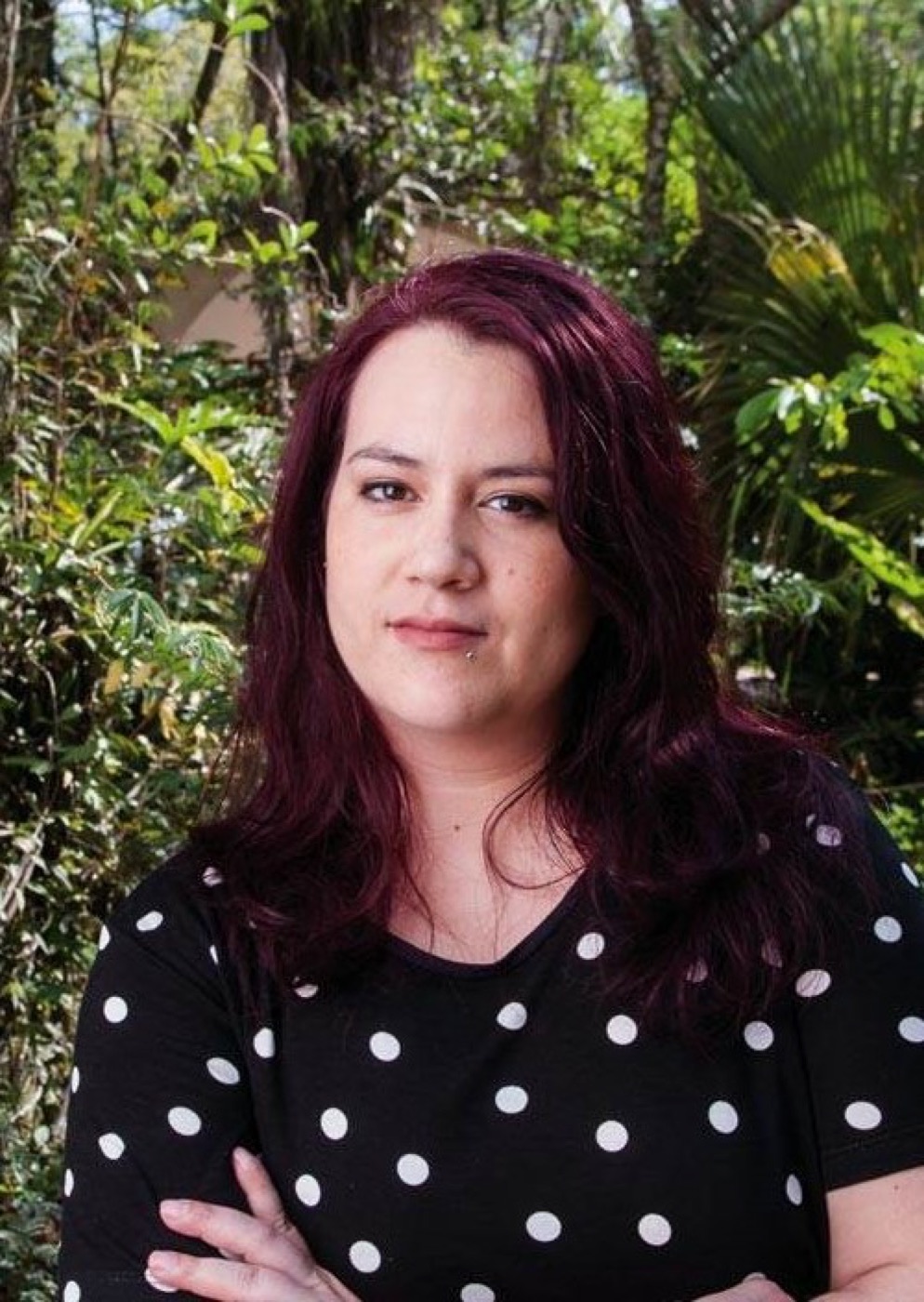
Postdoctoral Fellow
(02/2023 - present)
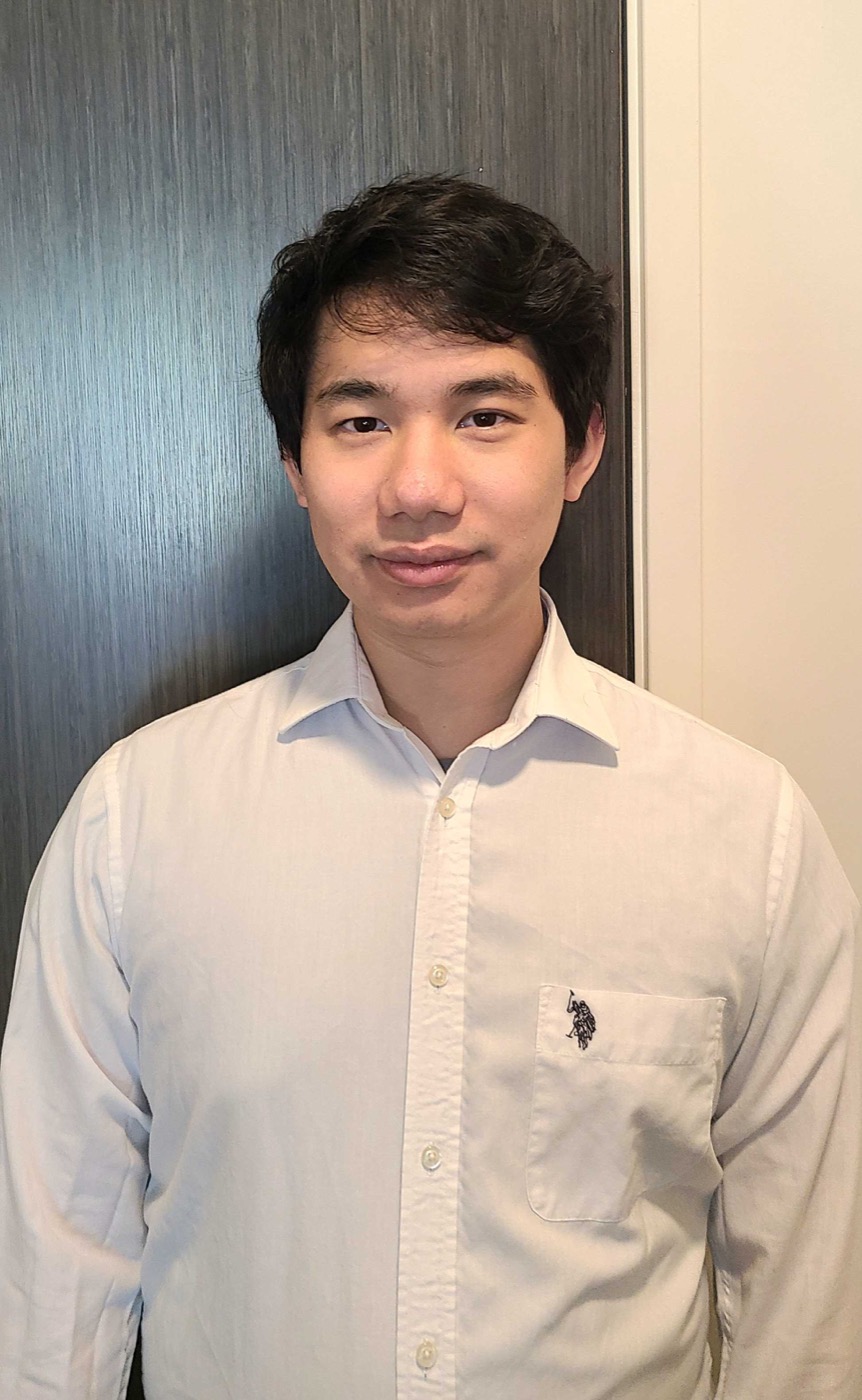
Ph.D. Candidate (Qualified!)
(05/2023 - present)
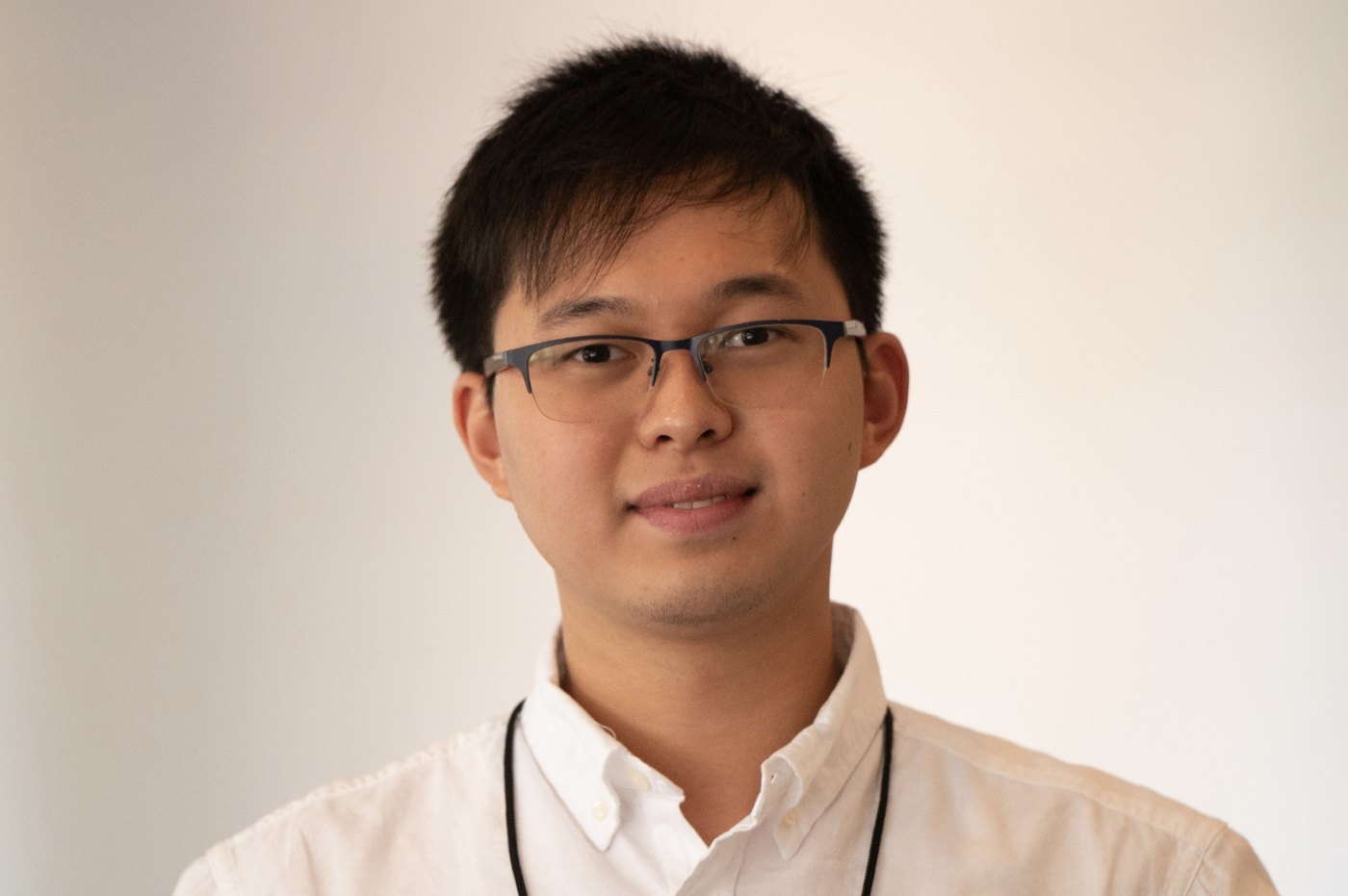
Undergraduate (Microbiology)
(11/2025 - present)
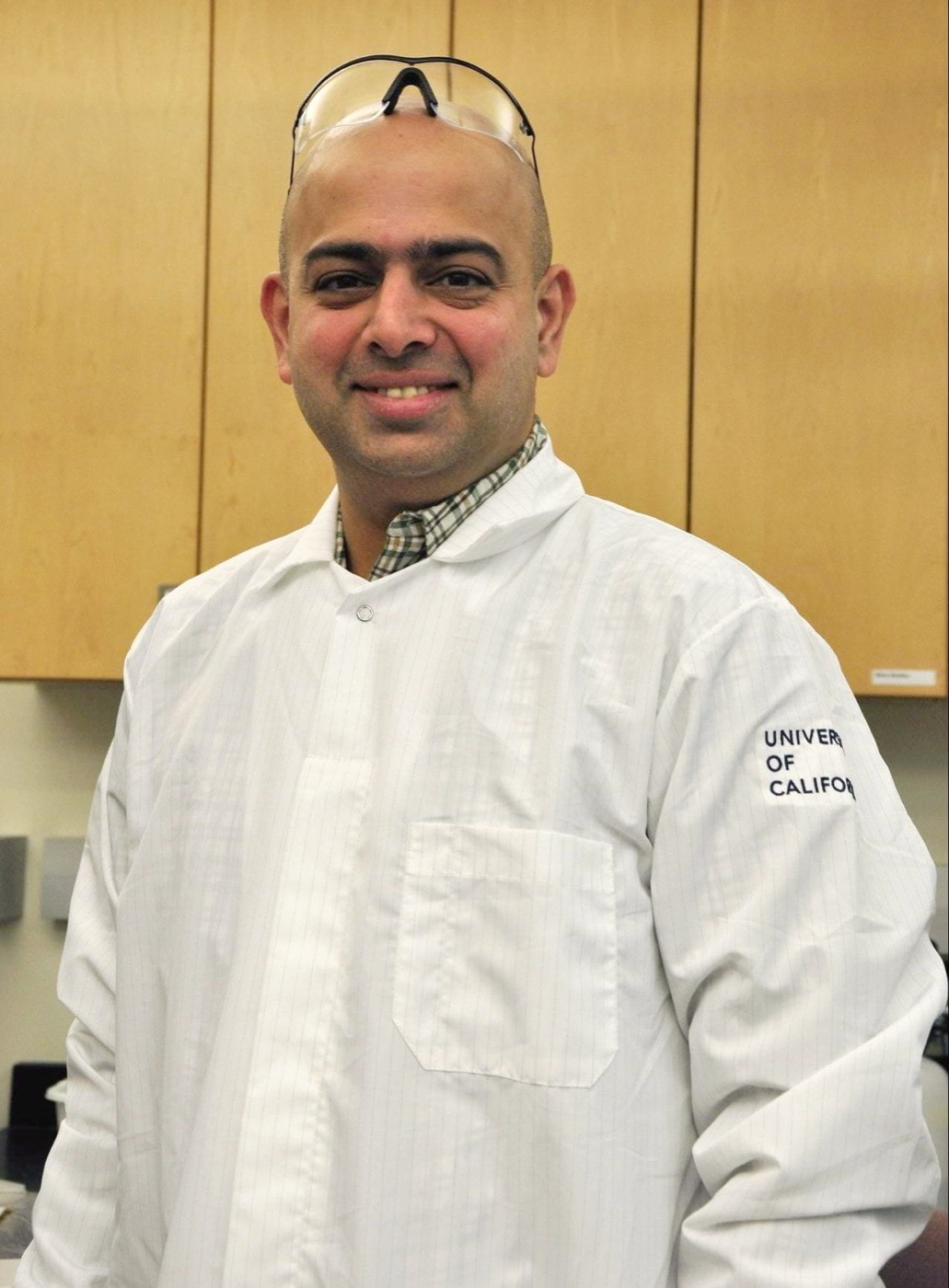
Project Scientist
(12/2025 - present)
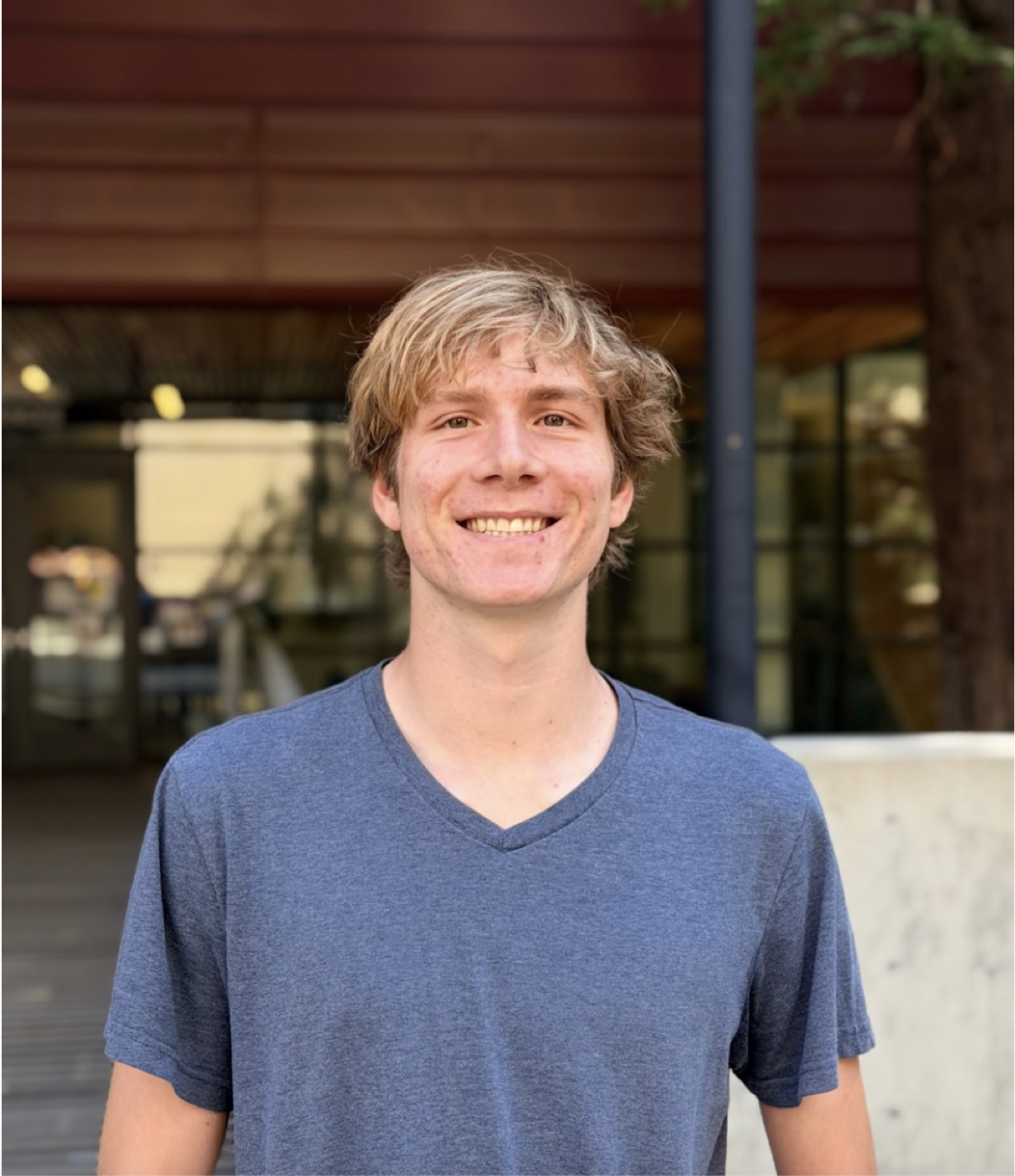
Undergraduate (Microbiology)
(01/2026 - present)
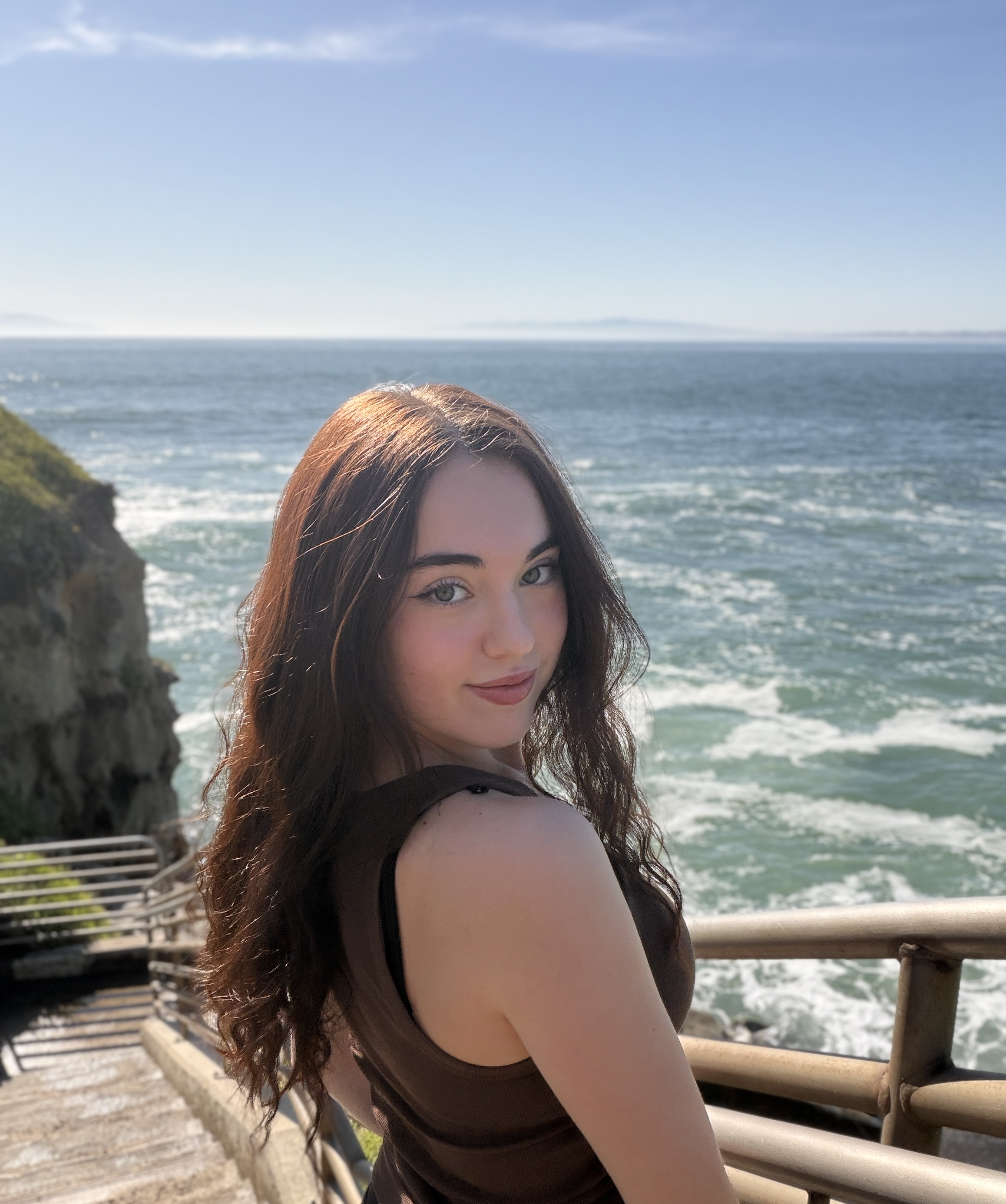
Undergraduate Researcher
(07/2026 - present)
Publications
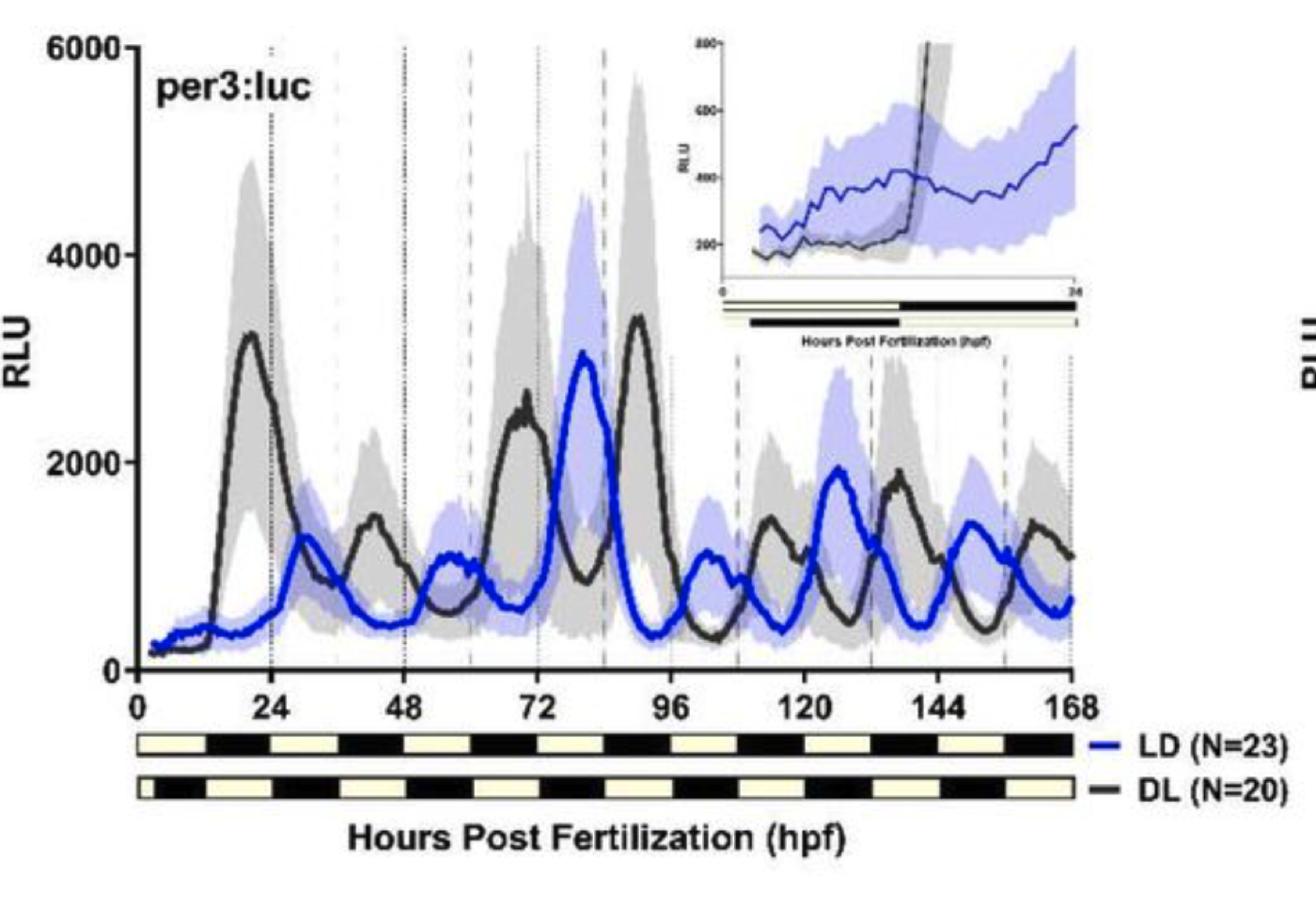
Camila Morales Fénero, Raina E. Sacksteder, and Jacqueline M. Kimmey
BioRxiv (preprint) / 2026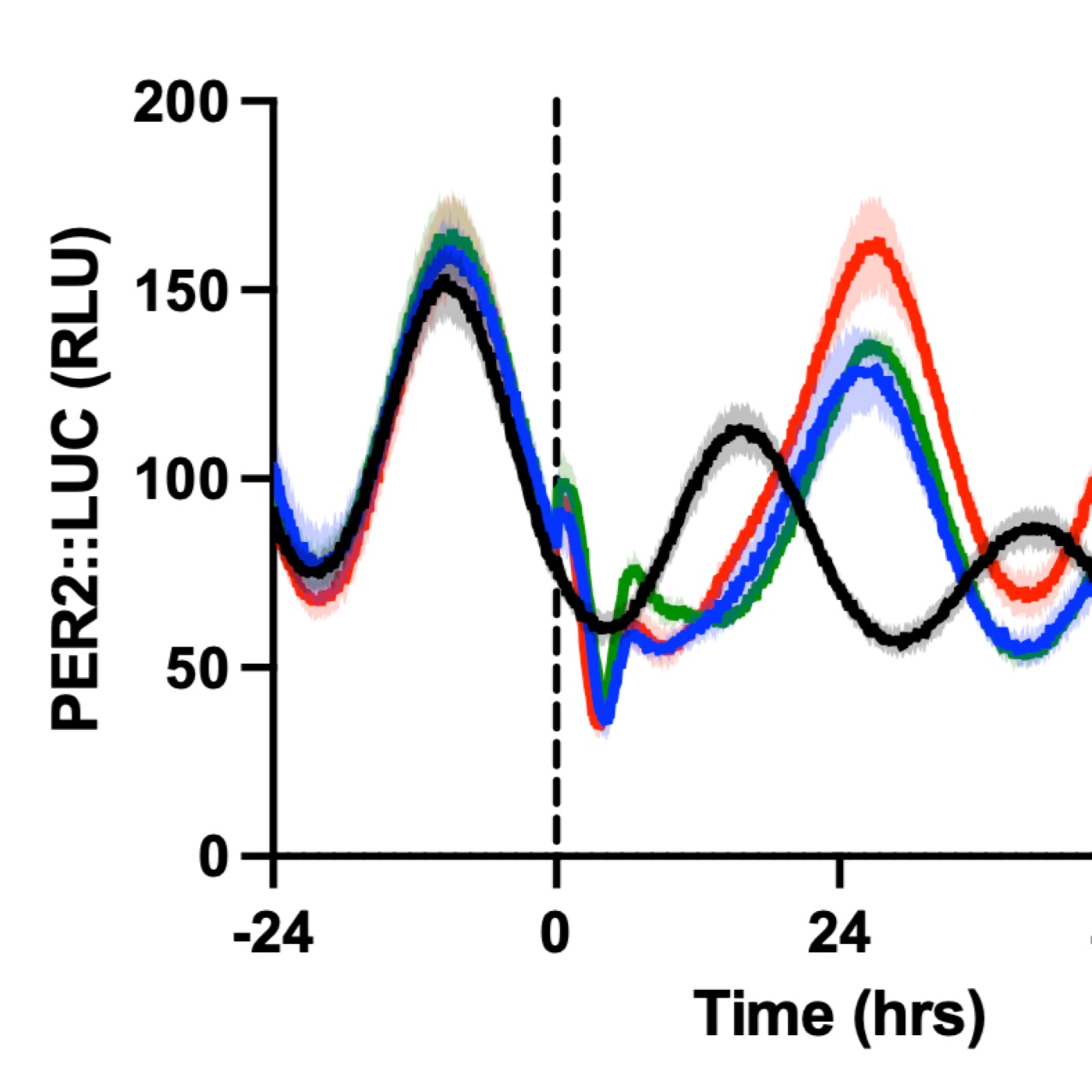
Devons Mo, Ti (Dung Ngoc) Lam, Ella Baker, Olivia P. Fraser, Jack Dorling, John S. O’Neill, Gerben van Ooijen, Antony N. Dodd, Carrie L. Partch, Priya Crosby, and Jacqueline M. Kimmey
BioRxiv (preprint) / 2026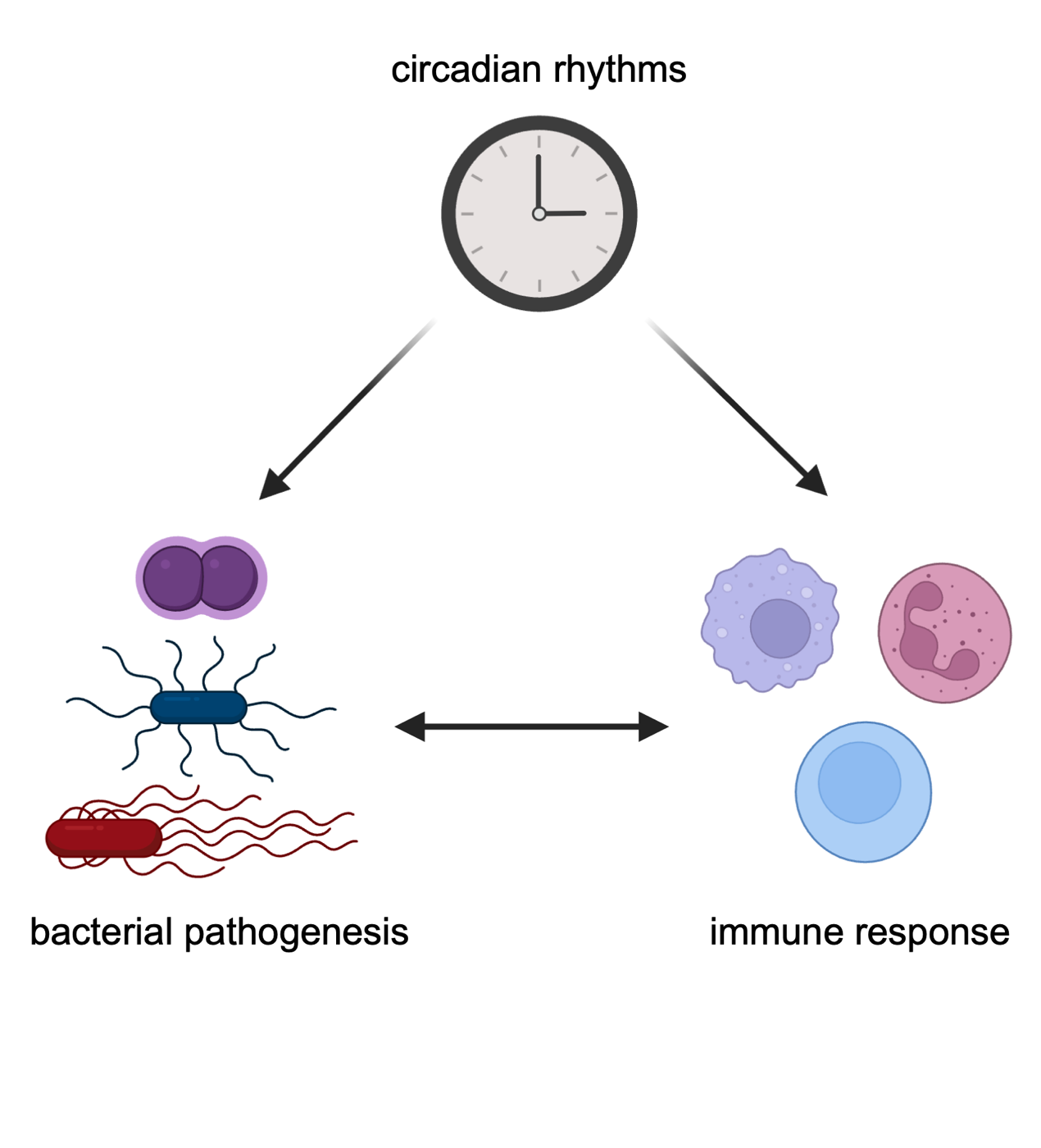
Devons Mo, Catherine S. Palmer, and Jacqueline M. Kimmey
FEBS Letters / 2025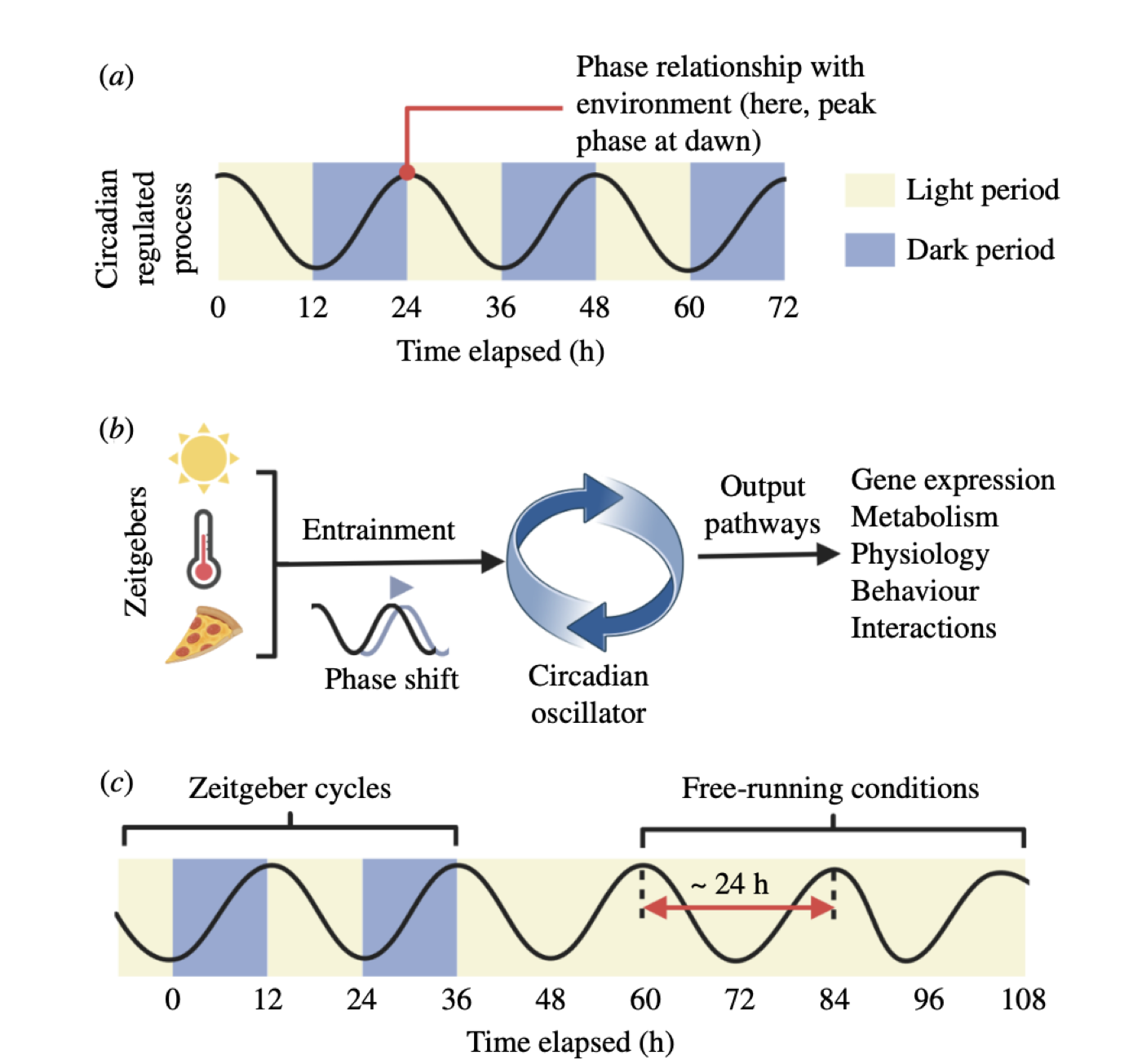
Pirita Paajanen, Jacqueline M. Kimmey, and Antony N. Dodd
Philisophical Transactions B / 2025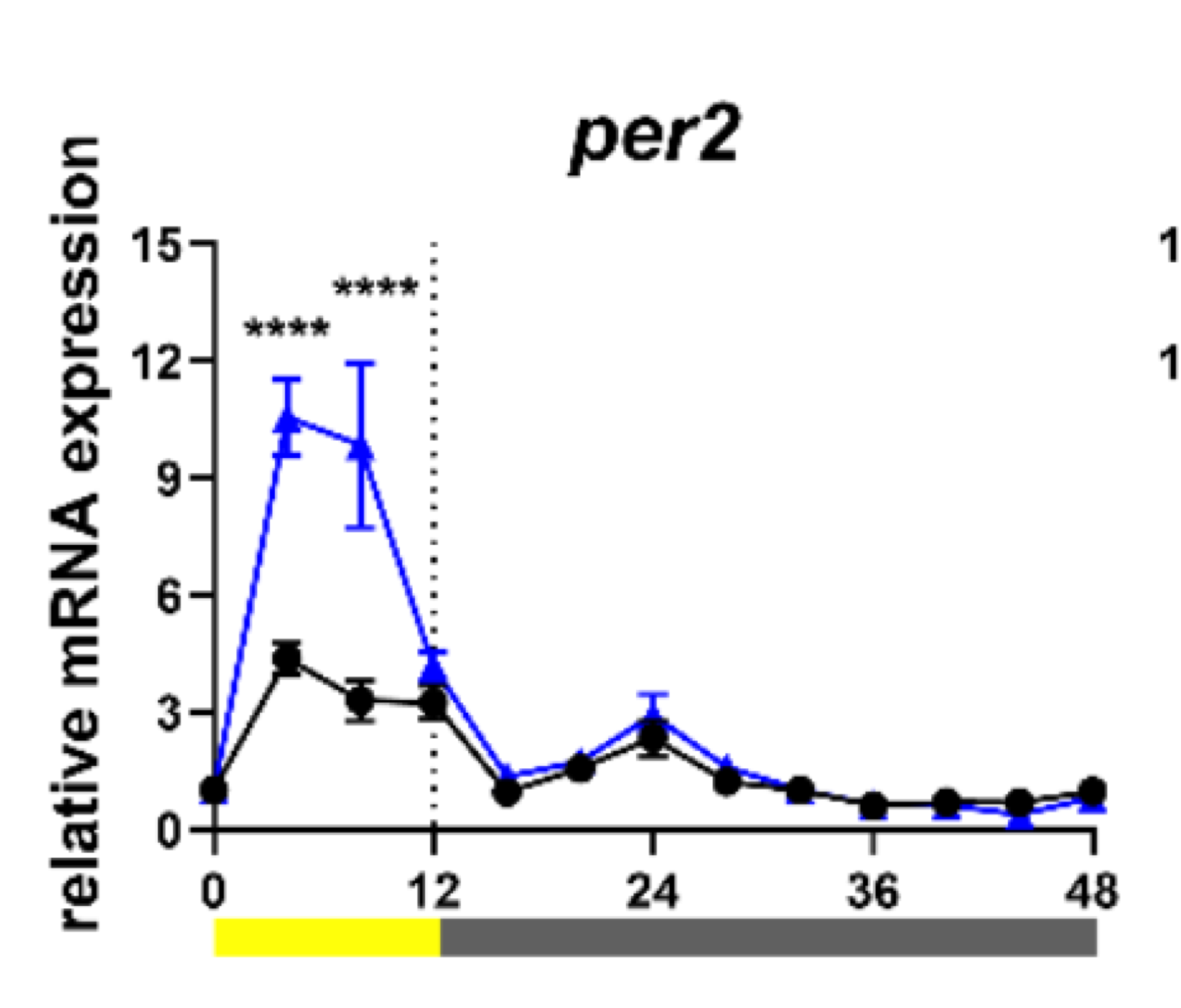
Camila Morales Fénero, Raina E. Sacksteder, Andrew G Diamos, and Jacqueline M. Kimmey
Scientific Reports / 2024Lab snapshots, student milestones, and behind-the-scenes updates from Santa Cruz.
Open InstagramWe train students and fellows across microbiology, immunology, circadian biology, cell biology, and animal models. Prospective members should read the research areas and publications carefully and consider whether the lab's focus, expectations, and training environment are a good fit.
Join the lab

